Old 80s Furnace Replaced With a Two-Stage High-Efficiency System
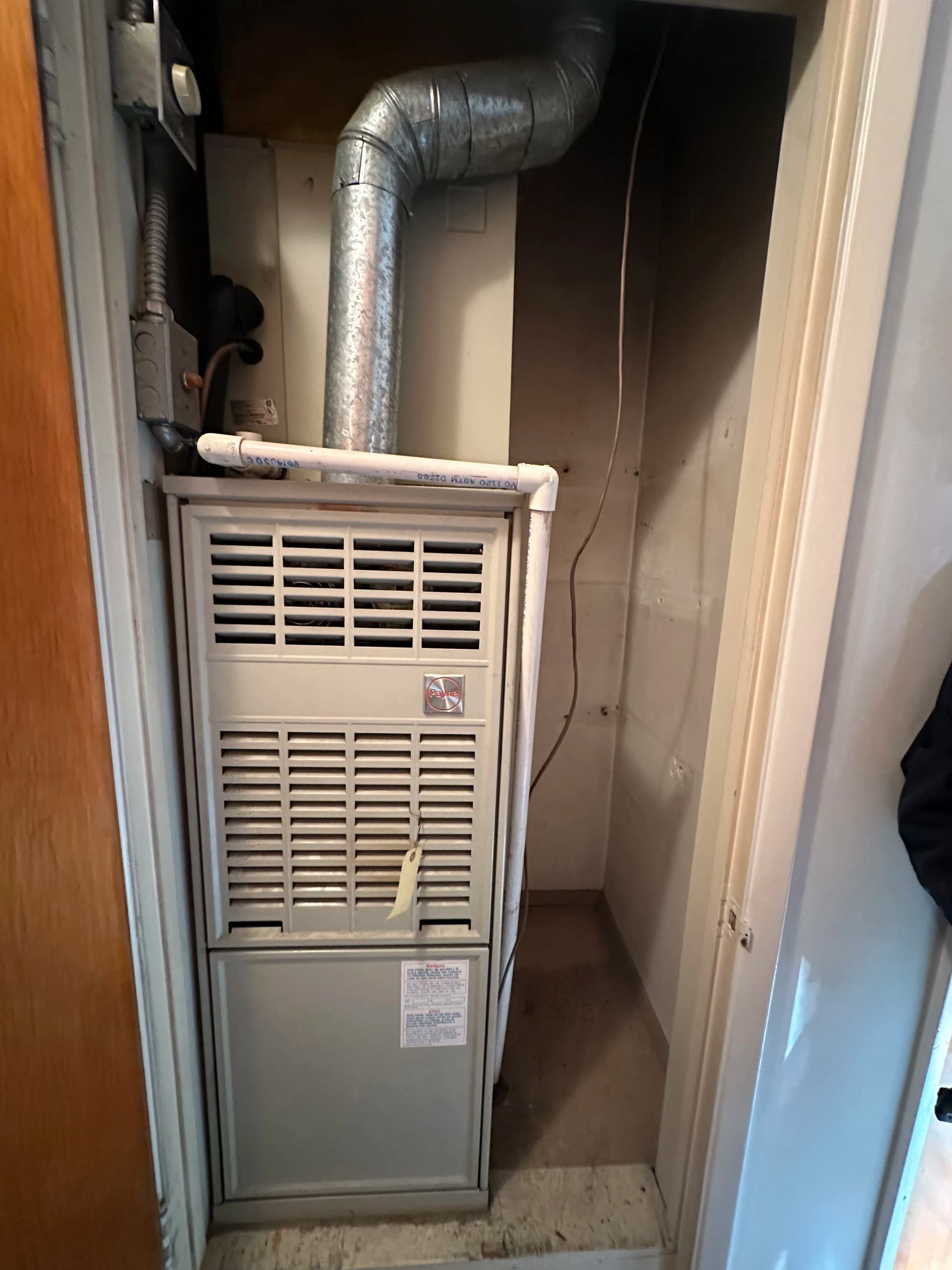
Here's what we were working with - a furnace that had been running since the 80s. That's decades of wear, reduced efficiency, and air quality that was nowhere near where it should be. Old single-stage systems like this one run at full blast every time they kick on, which wastes energy and leaves rooms with uneven temperatures. At some point, patching it up just doesn't make sense anymore.
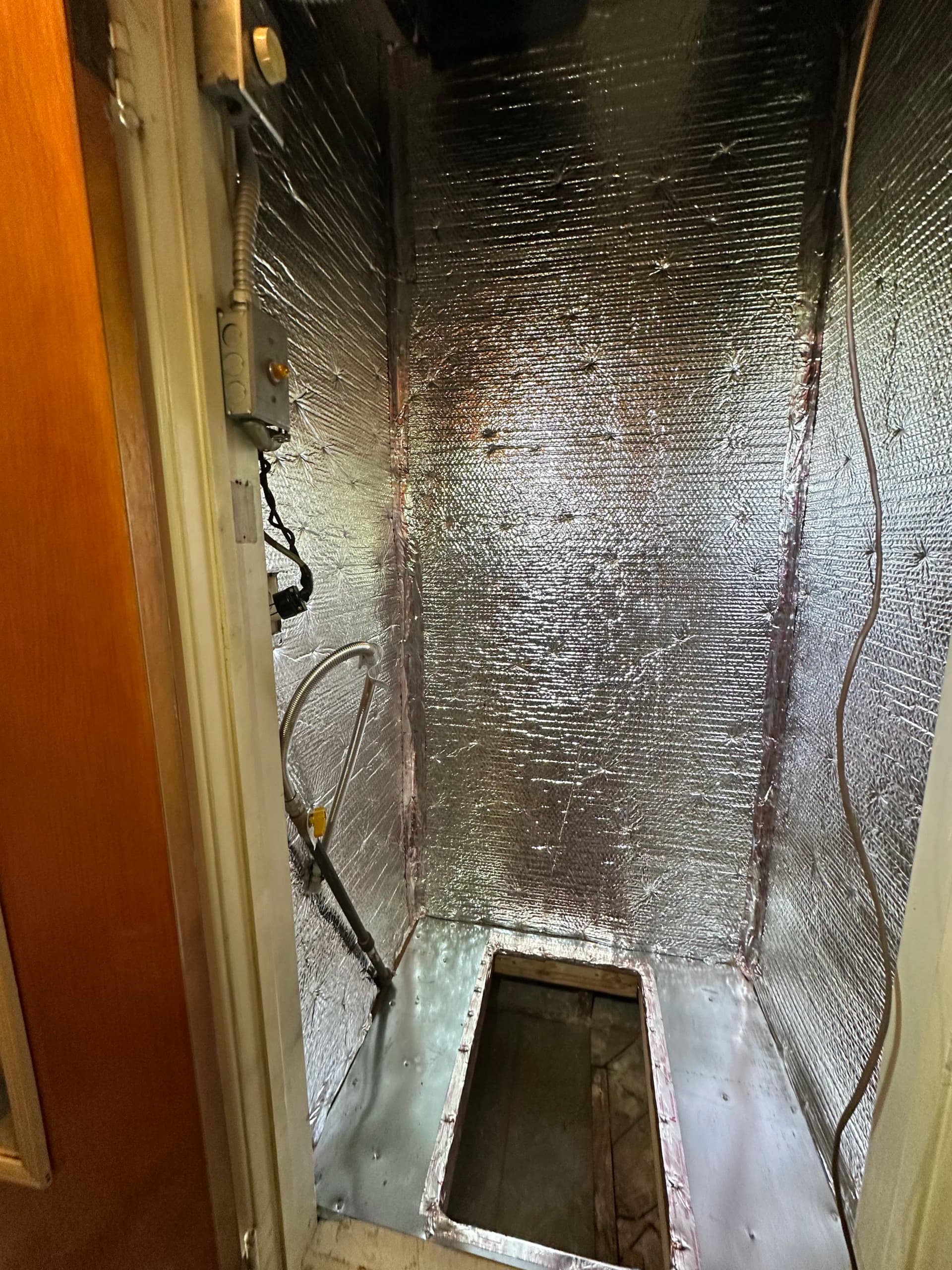
We pulled the old unit out and got the space ready for a proper new system installation. Part of that prep work was lining the enclosure with foil-faced insulation board - you can see how clean and tight that fit is. That step matters more than most people realize. It helps contain conditioned air, reduces heat loss, and sets the new system up to actually perform the way it was designed to.
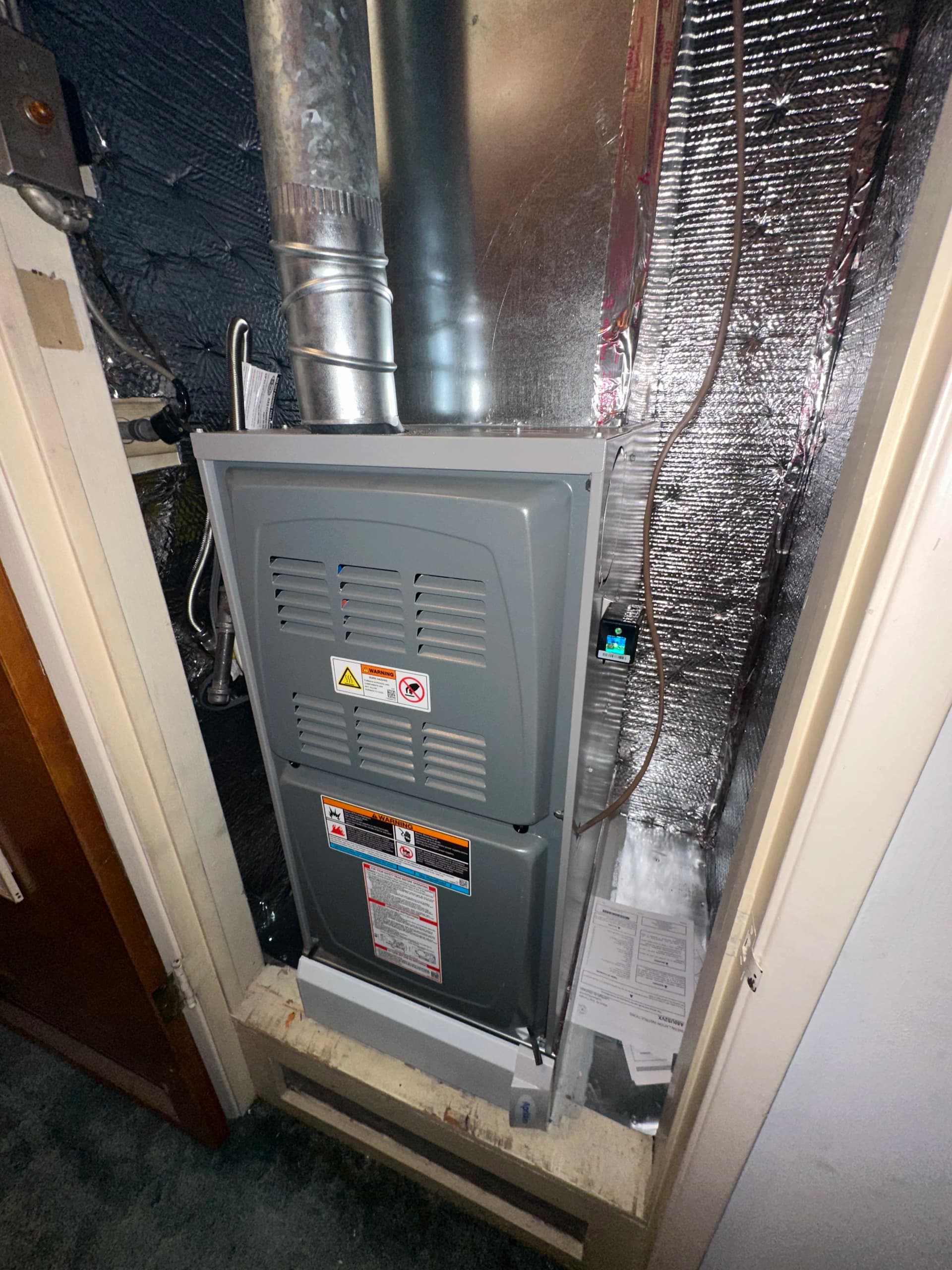
The new two-stage furnace went in next. Two-stage means the unit runs at a lower capacity most of the time, only ramping up to full power when the home really needs it. That translates to more consistent temperatures throughout the house, quieter operation, and real savings on heating bills over time. It's a noticeable upgrade the moment the system kicks on.
We also upgraded the filtration and ran new ducting to improve airflow throughout the home. Better filtration means fewer allergens, less dust circulating through the house, and cleaner air for everyone living there. Combined with the new ducting, the whole system moves air more efficiently from room to room - not just warmer, but noticeably cleaner.
If your furnace is pushing 20, 30, or 40 years old, it's worth having someone take a look. These systems don't fail all at once - they just get less and less efficient until one cold day they give out entirely. Getting ahead of that is always the better move.